
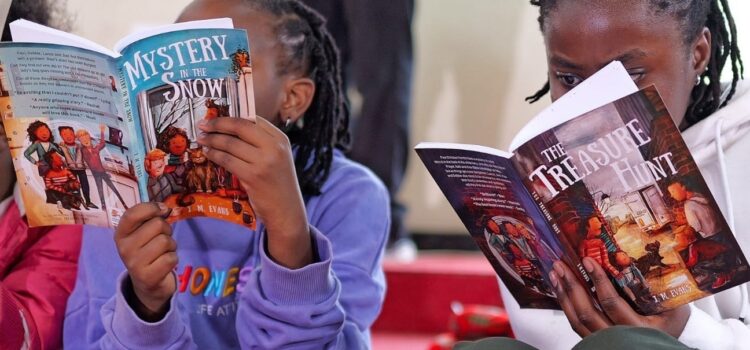
Supporting the National Year of Reading 2026
Do you struggle to get your kids to read?
If so, the great news is… that’s about to change.
An impossible dream?
Not at all!
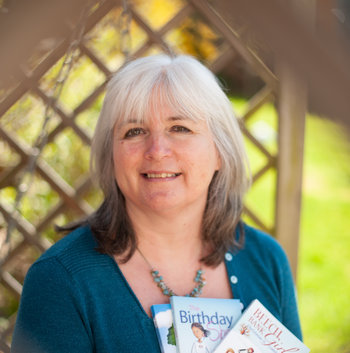
Hi, Janet Wilson here – book lover, mum, grandma, and publisher of Christian books for kids and teens with Dernier Publishing.
In this guide you will find 37 simple, practical strategies you can choose from, starting tonight, to inspire your children to build strong reading habits and skills that will help them in life, whatever their age and ability. Not all of these are for everyone – simply pick the ones which will work for you.
I hope you find it useful!
N.B. NO AI – this comes from what human intelligence I possess. 🙂
Before we start with the tips and ideas, we have to ask ourselves:
Why Inspire Kids to Read?
After all, this is going to take some effort!
- Reading has a positive affect on wellbeing. Kids who read are generally happier than those who do. Reading brings joy!
- Reading can be a refuge. Books can be friends. They can help children escape, relax, and feel less alone, as they dig into an interesting topic, or go on adventures with characters in a book.
- Reading is essential for academic success. It’s the most basic building block for a well-rounded education.
- Reading builds confidence. Children who read more, know more.
- Reading fuels the imagination. This can lead to creative ideas in every sphere of life.
- Reading strengthens language skills and critical thinking. Reading also increases memory and focus, which are essential skills for life.
- Reading gives a grounding for a lifetime of growth. The world is changing fast – good reading habits will give the ability to keep up.
- Reading builds empathy. As readers step into other people’s shoes, and see the world through another lens, they learn to understand and appreciate different points of view.
- Reading helps children connect with themselves. As they read about others, they learn about their own identity, thoughts, feelings and beliefs.
- Reading together strengthens the parent/child bond. As you share a story together, your brain waves literally begin to flow in the same way. Awesome, right?
Inspiring Your Kids to Read Is a Gift
In a nutshell, inspiring your children to read is one of the most powerful gifts you can give them. Reading will shape not only what they know, but how they think, feel, and engage with the world, in a positive way.
How to Use This Guide
- Pick one idea that appeals
- Put this one idea into practice
- Repeat.
SO LET’S GO!
37 Ways to Inspire Your Children to Love Reading
1. Lead by Example
If your children see you reading books, they are much more likely to read themselves, than if you tell them how important reading is, but don’t read yourself. They are excellent at spotting authenticity!
Start now: Find a book you will enjoy reading, and let your kids see you reading it. Put your phone away, so you’re not tempted to check for notifications, thereby setting another good example!
Going forward: Make reading part of your life, and make sure your children know you read. (Side benefit – you will gain a wealth of knowledge and enjoyment!)
2. Discuss Books
Discussing books increases enjoyment and understanding. It helps readers engage more fully with the stories/information, and, like most activities, is more fun when shared. Some children will love to be given time to tell you all about the book they are reading, so set time aside for this.
Start now: Ask open questions about books your children are reading. What do they like/not like? Ask about the characters, the plot, the setting, or the information. Is it well put together? What are they learning from it? If relevant, talk about the books you are reading, too.
Going forward: Make it a habit to discuss books you are all reading, perhaps over the meal table, or on the school run.
3. Build a Reading Den
Most children love a den, and one that is specifically set up for reading can be enticing! Find a space where you can leave the den up, if you can, or that is easy to take down and put up. It can be as simple as a throw over the backs of a couple of chairs with a beanbag seat inside, or it could be a corner of a room, with a cosy chair, blankets and pillows, fairy lights and a mini bookshelf!
Start now: Build a temporary reading den, with your children leading with what they want.
Going forward: Embellish the den, bit by bit, to make it a favourite place. Build something more structured in a place where it can stay up, if you can. Maybe you can make the den big enough for you to fit in, too?
4. Make Reading Comfortable
Invest in great lighting, cuddle cushions, reading pillows (with a pocket for the current book), bean bag seats, throws, and/or whatever you need to make reading as comfortable and cosy as possible. There are some fabulous resources available to make reading both fun and enjoyable.
Start now: If you don’t already have them, research reading cushions and reading pillows online, and decide what would be a good investment.
Going forward: Make or order anything you need – could you get grandparents or other family members involved? They will probably be enthusiastic about inspiring your children to read, too!
5. Friday Night Is Reading Night!
OK, it doesn’t have to be Friday night, but organise a regular screen free evening/hour all together. If it’s just you and your child, that’s lovely. If you have several children, great. Establishing a routine will reap success in the long term. Allow your children to take it in turns to choose delicious treats and snacks, for extra appeal. Make it as fun as you can for whoever comes along (feel free to invite neighbours and friends!). As kids get older, don’t be afraid of having meaningful discussions about issues raised in the books that you/they are reading.
Start now: Pick your first day and time and let everyone know when it will be. Ask your children what snacks they would like, so they feel part of the setting up.Start with the lowest time limit sensible for the ages of your children. A successful 15 minutes is better than a fraught hour, and can be built on.
Going forward: Establish a routine of reading together, and think of creative ways to make it enjoyable. Increase the time as/when appropriate.
6. Share Reading
As your children grow in reading confidence, you will be wanting them to read more and more themselves, but that might not happen without your help. Taking it in turns to read a line, sentence, page or chapter can be enormous fun, and can help build confidence. We all need help to learn new skills. Don’t stop reading to your children as they get older, though – big kids still love being read to, if it’s an exciting book! Sharing stories is part of our humanity, that connects us all, and reaches a place deep in our souls and brings us together – literally. Studies have shown that the brain waves of listeners echo the brain waves of the storyteller. Awesome, right? And a love for stories will inspire a love of reading.
Start now: Choose books suitable for your children’s ages, interests an abilities that you will enjoy sharing together.
Going forward: Keep a stack of books ready for reading together. Make the most of holidays and bedtimes to catch up on enjoying stories as a family.
7. Start Early
Even babies enjoy the soothing, rhythmic sounds of your voice as you read aloud – it’s never too early to inspire little ones to love books. Studies show that a baby in the womb can hear your voice from around 18 weeks, so you can even start before they are born! Older babies and toddlers enjoy the feel, the colours, and the pictures in board books. Rhyming stories are brilliant for little ones. Try not to sigh if they want you to read them the same book over and over again! Practice pre-reading skills with your preschoolers: point out the words and shapes of the letters as you read, and talk about what you are reading.
Start now: Begin to collect suitable books, however small your children.
Going forward: Take the time to enjoy reading with your little ones.
8. Build Confidence
Supply your children with books they can manage easily, then build up the difficulty of the reading material a little at a time, at each child’s own pace. The idea is for them to be stretched, but only enough to be a challenge, not a chore. Pushing too hard can have the opposite effect – they might start to hate reading… and give up. Make sure there are plenty of fun and easy books to hand, if your child struggles with reading. If they don’t like a book, after starting it, don’t make them finish it – ask them what they would like to read instead.
Start now: Find out what your child can manage in terms of reading confidently, and get hold of several books at just the right level.
Going forward: Encourage but don’t push harder books. Allow your child to choose when they want to take the next step.
9. Don’t Compare
Try to avoid comparing your child’s reading ability with others, or what you think they ‘should’ be able to read at their age – especially in their hearing. Every child is unique, and will learn all sorts of skills, including reading, at a different pace to their friends, siblings and classmates. Negative comparison isn’t helpful, especially if it they already feel like a loser – it can lead to disillusionment, which is pretty much the opposite of inspiration. Instead of comparing your child with others, watch for every step of progress they make in every sphere of life, and celebrate each of these.
Start now: Realise that your child is unique. We are all better at some things than others. Rather than being frustrated with their lack of reading ability/desire, if you feel your child is lagging behind, celebrate their achievements in other areas.
Going forward: Take encouragement from your child’s progress in reading, however slow it might seem, and in all their other abilities, too.
10. Always be Encouraging
Tell your child how proud you are of them, as they manage a hard word, get through a chapter, or complete another book. Praise lifts us, whereas we shrink with negative words (and vibes). Our own self-esteem rises as we manage hard things, too, so be sensitive enough to know when to allow your child to keep trying with a hard word, and only step in to help if you really need to. As well as giving praise for achievement, don’t forget to praise effort – both are important, and both are needed.
Start now: The next time your child reads with you, heap on the praise for everything they get right!
Going forward: Remember to keep being encouraging.
11. Tap into Interests
It’s no use banning phones and trying to force a child to read who doesn’t want to. Better entice them instead. For reluctant readers, the secret is choosing reading material on a topic they are passionate about. That might be guinea pigs, ballet dancing, dinosaurs, football or space… Joke books are fun! Books that are spin-offs from favourite films might also become hits, or books about celebrities, pop starts or sports heroes. Any reading is reading! The first book is the biggest hurdle, so choose wisely.
Start now: Make a list of your children’s current passions and buy/borrow a book or magazine on each of those topics.
Going forward: Note what has worked, and do more of it! Or try a different interest or approach.
12. Find Authors/Genres Your Child Loves
When you have found an author your child loves, or a genre they particularly enjoy, get more of the same. Whether your children love travel books, nature books, detective stories, spy tales, adventures, romance, or historical fiction… or adore Roald Dahl, buy, beg or borrow more books by the same author, and/or in that genre. It’s no use giving them the horsey books you loved when you were their age, if what they really love is dystopian fiction! Try all different kinds of reading material – graphic novels, fiction, non-fiction, Bible/faith stories, illustrated books, biographies, and find out what your child likes best.
Start now: Ask your child what their favourite book/author/series is. Start right there.
Going forward: When you see your child totally engrossed in a book, take note of the author and genre. Keep an eye out for similar books.
13. Contact an Author
Authors love to get fan mail, and they almost always reply to letters, cards, emails and messages on contact forms. Getting a message or a letter back from an author will inspire your children to keep reading their books, for sure, and will be a talking point at school!
Start now: Ask your child if there’s an author they would like to contact. Supply a card/writing paper, an envelope and a stamp, and find an address from the author or publisher’s website. Alternatively, send an email/message on your child’s behalf, or find the author on social media and leave a message for them there.
Going forward: Encourage your child to write to an author now and then when they have particularly loved a book, or have discovered a favourite author. Wait and see if you get a reply!
14. Write Reviews
Some children find it really exciting to see their words in print, so writing reviews for books is a good way to inspire them to read, as well as adding engagement with the book. If they’re not keen on writing (or if they’re too young to use the internet), but enjoyed a particular book, ask them what they would like to say, and add the review for them – you can often do this on the author, bookshop, or publisher’s website – or all three. Seeing their voice in print can give a buzz, and encourage your child to read another book – especially if they get feedback. It’s not for everyone, but if your child wants to be a star, they could do video clips of their reviews and post online. (If you agree to this, keep online safety top of mind.)
Start now: Help your child to write a review. No need to get complicated. It can be as simple as ‘I loved this book because…’ or ‘The best thing about this book was…’
Going forward: Keep writing reviews! Not only will it encourage your children, but the authors and publishers, too, and helps others to choose well.
15. Gamify Reading
Consider what might motivate your kids to put down their devices and read books instead. Some people thrive on competition, so gamifying reading can work wonders. It can be as simple as buying the next book in the series once they’ve read the first one. Every reader is different, so you are going to have to have a good think about what will work for them. Reward points/stars on a chart for every book, with a gift at the end? Making a photo collage with your child reading every book they finish, and stick it on the fridge or a cupboard door, so they can watch the display growing? Extra pocket money for every book they read?
Start now: Decide what would motivate your child and set it up. Don’t promise anything you can’t keep up, and keep it simple, so it’s easy to do.
Going forward: Keep doing this – don’t tail off! Talk about it often, get excited, get prizes ready, buy stickers, or whatever you are going to need.
16. Set Up a Challenge
Some kids thrive on challenges. ‘Book Bingo’ is one idea. Set up 9 boxes in a square, with a different challenge in each box. For example, a book with a cover you don’t like, a book that has been translated from a different language, a book written more than 50 years ago, a book lent by a friend, a book with a strange title, a book with an animal on the cover… use these ideas, or invent your own. Ticking off a row would win a small prize, then a bigger one when they’ve completed all nine on the sheet. Getting them to help you with the categories will make sure they are vested in the challenge. Alternatively, if you don’t mind doing some research and finding some weird books, and it sparks your child’s imagination, read a book starting with each letter of the alphabet in turn! Letting them help you do the research will pay dividends, as they are more likely to read books they have chosen themselves. Or set up your own challenge…
Start now: Have a chat with your kids about doing a challenge, and discuss ideas and prizes. If you have more than one child, make sure it works for everyone. You might need to make smaller challenges for smaller children, or set up some basic rules, so an able reader isn’t reading picture books simply to fill their bingo card and get a prize!
Going forward: Keep the Challenge top of mind, and help them to complete it. If it goes well, start a new Challenge!
17. Try Ebooks
Impossible to prise your children’s devices out of their hands? Buy them ebooks that they can read on their phones. You could also try buying a kindle, or any device on which they can read ebooks at any time (especially if you/they travel a lot). They can then read books on their journey to and from school or college, or any time in any place.
Start now: Ask your kids if ebooks appeal. If they do, choose one together and download it.
Going forward: If you go down this route, make sure your kids always have a selection of suitable books ready to read.
18. Make Bookmarks
Bookmarks are useful. Why not create your own fabulous bookmarks? Stickers on a rectangle of card is fine, or a simple drawing, but there are some wonderful ideas to try if you love being creative, using many different materials. Pinterest is a great resource for ideas. Having a lovely bookmark will add to the pleasure of reading – opening up and seeing something inspiring that they have made themselves, will be a joy.
Start now: Get together with your children and discuss making bookmarks. Decide how to make your bookmark and get the resources together.
Going forward: Why not start with something simple immediately, and plan something more enterprising at the weekend, with beads, knitting, felt, weaving, origami… pressed flowers or…well, it’s up to you!
19. Get Close
Making reading time an emotionally satisfying time will mean reading is associated with good feelings – that’s a big win. Give your children your full attention when they are reading to you, or you to them (they crave that attention.). Leave work and worries behind, and be ready to talk about the books… or just listen…be there for them. Cuddle up close if they are comfortable with it (even older children may like to feel you near), have cosy blankets, cuddly toys, squashy pillows and whatever you can think of to make things snug.
Start now: Consider how you can make your reading time an emotionally satisfying time. What would each of your children need to make this happen?
Going forward: Work at anything that would increase the emotional atmosphere of love, warmth and safety while reading.
20. Start a Book Club
Sharing stories with friends is fun, especially if you add in some extras like drawing (e.g. a favourite scene from the book) and some snacks! A Book Club can even be done on Zoom with cousins or far-flung friends. Books that have discussion questions at the back of the book are helpful, to bring the discussion to life and engage with the story at a deeper level. What about a faith book club, if you belong to a faith community? It’s a wonderful way to bring a spiritual element into your children’s lives, and inspire them not just with books, but also be good for a holistic approach to life. If your school, church or other organisation runs an after-school club, perhaps a Book Club could be part of it? You can buy Christian fiction for kids and teens from Dernier Publishing with discussion questions at the back.
Start now: Ask your child if this is something they would like to do. If they are enthusiastic about it, set a date for your first Book Club event, choose your first book and invite your first members.
Going forward: Get yourself a logo, a book list, a members list, and enjoy. (A local bookshop might give you discount on books, if you promise to tag them on social media!)
21. Subscribe to a Book-a-Month Club
It’s exciting to receive a book in the post every month – you may discover some real treasures! If you have a family with children of all ages, and you would like your children to read books that have an element of Christian faith, Dernier Publishing has one. But there are lots more book-a-month options available.
Start now: Check out Book-a-Month Clubs and find one that would suit your children and your budget
Going forward: Look forward to the book popping through your letter box every month!
22. Join Your Local Library
If you are fortunate enough to have a library within striking distance, make the most of this excellent resource, and allow your children time to peruse the shelves. The choice of books is usually large, and there are often children’s events in the holidays, such as story-telling and meeting the authors. Very inspiring!
Start now: Get set up with library cards, and borrow your first books.
Going forward: Make regular visits, and find out about children’s events (which are usually free).
23. Make Access to Books Easy
If books are hard to find or out of reach, your children may not think about reading. If your children are small, have mini shelves, boxes or baskets of interesting books all around the house, at their height, so they can help themselves at any time. Most book covers are attractive, so they will look great as well as be useful!
Why not have some in a basket/box in the kitchen or dining room, for your children to look at/read if they finish their meal before everyone else, perhaps books with short stories or fun facts? For older children, have neat shelves of books they can access easily, either in their own room, or the living area, or preferably, both. If your child likes neatness, help them to keep their books tidy, so they always look appealing.
Start now: Decide on one new place to keep books, and set it up.
Going forward: Keep developing this idea, and make sure books are fresh and tidy, so there’s always something new to enjoy, as well as old favourites.
24. Buy Magazines, Comics and Graphic Novels
Don’t despair if your child loves pictures more than words; tap into their uniqueness and encourage them to read magazines, comics and graphic novels on subjects they love. You can get subscriptions to magazines on the natural world, kids’ TV shows, cookery, bikes, photography, and so much more… the possibilities are endless. And it’s all reading!
Start now: Make a list of your children’s top interests, so do some research and buy your first magazine/comic/graphic novel.
Going forward: Go with the flow and allow them to be inspired the way they are. Try alternatives until you find something your little reader can’t wait to get their hands on! If money is tight, see if you can get a job lot of past issues of your chosen magazine/comic at a good price – or see if grandparents/family members might be willing to help out with cost.
25. Try Audiobooks
Audiobooks are still books! OK, by themselves they won’t get your children reading, but they may spark an interest in stories, so reading could be the next step. Also, as a story listened to on audio will already be familiar, the physical book will be easier to read.
Amazon have a programme called Whispersync, where the kindle book and the audiobook can be synced. This is worth looking into if your kids prefer to listen than to read. Amazon’s Whispersync for Voice allows you to switch between reading a kindle ebook and listening to the Audible version, without losing your place. Clever, huh?
Start now: Look into audiobooks and the Whispersync programme.
Going forward: If you think it’s worth a go, choose an audiobook your child will love, and try it out.
26. Check Your Child’s Eyesight
Having poor vision, or the wrong glasses, will make reading hard work. Make sure your children can see really well. Have your child’s eyes tested if there is any doubt. (Eye tests are free for children in the UK.) If your child wears glasses, make sure they fit properly and that they make them feel good about themselves. Also, make sure the place where your child reads has excellent lighting; provide a reading lamp if necessary.
Start now: If your child squints, holds books very close, gets headaches, or avoids any close work, book an eye test.
Going forward: Make any lighting adjustments that you deem necessary. Make any further necessary changes.
27. Get Help with Special Needs
If your children struggle with reading because they have additional needs, do what you can to make things easy for them to enjoy reading, whether they have a physical or a learning disability, or both. You can make the font size bigger on a kindle or on a laptop. Look out for books with dyslexia friendly format (including Dernier Publishing). Coloured gel sheets are available in many different colours and sizes. Talk to your child’s SEND teacher for other tools and aides that might help.
Start now: Consider what would help your child, and take the first step.
Going forward: Keep experimenting with anything that might help your child to make reading more accessible, comfortable and enjoyable.
28. Aid Concentration
If you are reading to your children, or are sharing the reading, and their attention tends to wander when it’s your turn to read, provide fidget toys, or drawing materials. Maybe they could draw a picture from the story, their take on the cover, or a favourite scene from the book? Also, pause every now and again to discuss what you’ve read, and keep reading sessions at a suitable length. This can help your children to concentrate, and engage more fully with the story or information.
Start now: Consider what might work for you, and try it out.
Going forward: Have fidget toys in a handy box, or drawing/colouring materials ready to grab when it’s reading time.
29. Visit Bookshops
There’s something enormously satisfying about being able to choose your own book from a ‘real’ bookshop. Children love this! Combining a visit to a bookshop with a visit to a coffee shop, or a picnic in the park, or making a den to read in when you get home, will reinforce the fun-ness of books. Associating books with treats is an excellent way to inspire your children to love reading. Side benefit: local bookshops need our support to survive. If you are a Christian, see if there is a Christian bookshop near you. They will love to see you!
Start now: Decide on a budget, the shop you will visit, and a date for your first trip.
Going forward: If it went well, and you can afford it, try to do this every holiday time, so your children will be looking forward to this treat. If money is an issue, charity shops generally have a good selection of books at excellent prices – it’s nearly as much fun as a ‘proper’ bookshop, and still inspiring.
30. Read in a Coffee Shop
The sophisticated environment will enhance the experience for all of you. Take your own books, pop into the library, or buy books on the way! Have a nice coffee, a milkshake, a hot chocolate and perhaps lunch or a sweet treat, if the budget will stretch to that. Take photos and spread the word! You could all read the same book, or all read different books. Taking time to discuss what you are reading will be a bonus.
Start now: Set a date and a place, then go.
Going forward: Decide what went well, and what could be improved. Set the next date for the next place, then do it again, with any changes that need to be made. Aiming for a regular event will reap long-term benefits.
31. Find Inspiring Characters in Books
The world is made up of people from all walks of life, skin and hair colours, abilities, cultures and backgrounds. It’s inspiring for readers to see characters just like themselves represented in stories, as well as learning about people from different places, cultures and backgrounds. Have a search for books where your children can feel proud to be who they are, as well as learn about diversity, and build empathy for others.
Start now: Find a book with characters who will inspire your children.
Going forward: Keep a look-out for books with characters who look like/have the same interests and background as your child. Librarians and school teachers might be able to help.
32. Do a Project Together
Why not encourage your child to do a project on something related to a book they have enjoyed reading, or a topic they particularly enjoy? For example, crocodiles, WW2, volcanoes, or the Romans. This will encourage them to do more reading, as they research the topic. Doing it together will double the blessing, as you share the time doing something meaningful – and include some reading!
Start now: Chat with your child about the idea of doing a project, thrash out the details, then order any materials you will need and/or get books from school or the library.
Going forward: Take the time to help and encourage your child with their project.
33. Read in Nature
This is more of a summer event – at least, at is in the UK – but great fun! You could just read in your garden, or you could get adventurous and take off to a local country park, forest, or beach, along with a picnic, a blanket and a pile of books.
Start now: Set a date and a place, then go.
Going forward: Decide what went well, and what could be improved. Then set the next date for the next place, and do it again!
34. Organise a Book Swap
Swapping books with friends will open up new possibilities and recommendations. You could just hand the books over… or maybe even organise a tea/book swap picnic. You could also put up a weatherproof book swap cupboard outside your house, where children can put their books and take another. What fun to discover a new book, completely free!
Start now: Gather a collection of unwanted books, and have a think who you could do a book swap with. Perhaps your child’s best friend? Could you put a ‘book house’ outside?
Going forward: Get creative! What would work for you and your child? A book swap day at Sunday School, or a club? A book swap picnic? Your imagination is the limit!
35. Books on a Budget
Related to the last point, if finances are tight, and you need to get hold of books your children will love to read quickly but cheaply, try second hand online sites, charity shops, table sales and libraries. Keep an eye out for anyone getting rid of job lots of books in your local area. If you have books that your children have grown out of, could you pass them on to others in your local community? Sharing is caring!
Start now: Decide what you need, do the research, and get hold of your first selection of books.
Going forward: Keep an eye out for books your children will love, at a price you can afford.
36. Faith Books
If you are a person of faith, you might like to encourage your children to read books that will nourish their spiritual life. Bible stories are a big favourite for Christians, or stories that are written from a biblical worldview, but there are books available for every religion. I am founder of Dernier Publishing – you might find something on our website which would suit you.
Start now: Do some research on what is available, suitable and appealing.
Going forward: Keep your eye out for great resources.
37. Write Your Own Stories
This isn’t for everyone, but children love listening to/reading a story you have made up about themselves, their family and friends. This can be loads of fun, especially if the child goes on an adventure tailor-made for them… and is the star/hero of the story! You could also encourage them to write a story and read it to you, or share in the process.
Start now: Write a story for your child – simple is fine! It doesn’t have to be the best-written story in the world, as long as it is fun.
Going forward: Write a story for each of your children, and print it off – you could even get them spiral bound – you could even end up writing a series. 🙂
And that’s it!
The benefits of reading are immense and immediate, as well as stacking up for the future.
Doing any of these action points will take time and commitment, but it will be so worth it.
So take a deep breath, dive in with your number one idea, and start tonight.
Copyright © Janet Wilson 2026